Lista
de publicações, com abstract
(Google Scholar)
Lista
de publicações, coautores e palavras chave
(Somos ABC)
Lista
de publicações, orientações, projetos, patentes e outras
contribuições (CV Lattes - CNPq)
Slides
de conferência em Congresso, ilustrando as pesquisas
(CBQ-2016
Dissertações
e teses orientadas - textos completos a partir de
1999 (Teses USP)
Tese
de livre - docência - IQ-USP - 1985 (clique para consultar ou
copiar)
Quimiometria
e Automação em Química Analítica: Algumas Contribuições
Tese de doutoramento - IQ-USP - 1978 (clique para consultar ou
copiar)
Estudos
de adsorção e de equilíbrios no sistema
cádmio(II)/piridina/cloreto.
Desenvolvimento de instrumentação
A r t i g o s p u
b l i c a d o s n o p e r í o d o
1 9 9 6 a 2 0 2 0
Integrated instrumental analysis teaching
platform with smartphone-operated fluorometer
Exhaled breath acetone for predicting cardiac and overall
mortality in chronic heart failure patients: Breath acetone and
heart failure prognosis
MARCONDES‐BRAGA, F.G.; GIOLI‐PEREIRA, L.;
BERNARDEZ‐PEREIRA, S.; BATISTA, G.L.; MANGINI, S.; ISSA, V.S.;
FERNANDES, F.; BOCCHI, E.A.; AYUB‐FERREIRA, S.A.; MANSUR, A.J.;
GUTZ, I.G.R.; KRIEGER, J.E.; PEREIRA, A.C.; BACAL, F.
ESC
Heart Failure, 2020, 7(4), 1744-1752
https://doi.org/10.1002/ehf2.12736
Photochemical and Photocatalytic Degradation
of 1-Propanol Using UV/H2O2: Identification of Malonate as
Byproduct
Fotocatálise mediada por TiO2 no estado nanoparticulado:
revisão da reatividade pelo conceito de traps e algumas
aplicações em química analítica
Photochemical Oxidation of Alcohols: Simple Derivatization
Strategy for their Analysis by Capillary Electrophoresis
Gold Leaf: From Gilding to the Fabrication of Disposable,
Wearable and Low-cost Electrodes
Chemical Analysis of Household Oxygen-Based Powdered Bleach:
An Engaging Approach to Teaching Sampling of Heterogeneous
Materials and Address Statistics
DNA adduct formation in the lungs and brain of rats exposed to
low concentrations of [13C2]-acetaldehyde
SANCHEZ, A.B.; GARCIA, C.C.M.; FREITAS, FP.;
BATISTA, G.L.; LOPES, F.S.; CARVALHO, V.H.; ROSEIN, G.E.;
GUTZ, I.G.R.; DI MASCIO, P.; MEDEIROS, M.H.G.
Chem.
Res. Tox., 2018, 31(5), 332-339
https://dx.doi.org/10.1021/acs.chemrestox.8b00016
Analysis of Methanol in the Presence of Ethanol Using a Hybrid
Capillary Electrophoresis Device with Electrochemical
Derivatization and Conductivity Detection
Online monitoring of electrocatalytic reactions of alcohols at
platinum and gold electrodes in acidic, neutral and alkaline
media by capillary electrophoresis with contactless
conductivity detection (EC-CE-C4D)
Determination of neutral diols and carboxylic acids formed
during glycerol electrooxidation process by capillary
electrophoresis with dual C4D
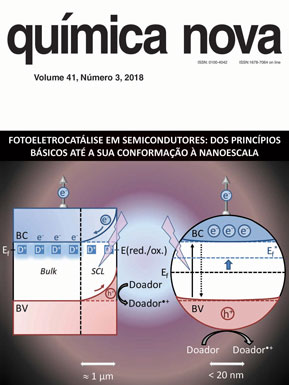
Fotoeletrocatálise em Semicondutores: Dos Princípios Básicos
até sua Conformação à Nanoescala
Oxygen Bleach under the Microscope: Microchemical
Investigation and Gas-Volumetric Analysis of a Powdered
Household Product
Fast production of microfluidic devices by CO2 laser engraving
of wax-coated glass slides
Exhaled Breath Analysis in Heart Failures
Quick cold preparation of TiO2 nanolayers on gold from P25
suspensions–film structure, voltammetric behavior and
photocatalytic performance for the oxidation of EDTA under
UVA-LED irradiation
Impact of Exhaled Breath Acetone in the prognosis of patients
with heart failure. One year of Clinical Follow-up
MARCONDES-BRAGA, F.G.; BATISTA, G.L.; GUTZ,
I.G.R.; SALDIVA, P.H.N.; MANGINI, S.: ISSA, V.S.;
AYUB-FERREIRA, S.M.; BOCCHI, E.A.; COSTA PEREIRA, A.; BACAL,
F.
PloS
one 11(12), e0168790 (December 28, 2016)
https://doi.org/10.1371/journal.pone.0168790
Use of poly(methyl methacrylate)/polyethyleneimine flow
microreactors for enzyme immobilization
Unveiling the structure of polytetraruthenated nickel
porphyrin by Raman spectroelectrochemistry
Electrochemical Derivatization-Capillary
Electrophoresis-Contactless Conductivity Detection: A
versatile strategy for simultaneous determination of cationic,
anionic and neutral analytes
Novel photoelectrocatalytic approach aiming at the digestion
of water samples, estimation of organic matter content and
stripping analysis of metals in a special UV-LED irradiated
cell with a TiO2-modified gold electrode
Exhaled acetone as a new biomarker of heart failure severity
MARCONDES-BRAGA, F.; GUTZ, I.;
BATISTA, G.L.; SALDIVA, P.; AYUB-FERREIRA, S.; ISSA, V.;
MANGINI, S.; BOCCHI, E.; BACAL, F.
Chest, 2012, 142(2), 457-466.
https://doi.org/0.1378/chest.11-2892
From Sample Processing to Quantification: A Full
Electrochemical Approach for
Neutral Analyte Derivatization, Capillary Electrophoresis
Separation and Contactless Conductivity Detection
Interview – main subjects: Personal Contributions and Views of
the Development of Analytical Chemistry in Brazil
Interview – main subject: Analytical Instrumentation in Brazil
Automated two-dimensional separation flow system with
electrochemically controlled preconcentration, stripping,
capillary electrophoresis and contactless conductivity
detection for trace metal ion analysis
Automation of an analysis system with microvolume porous
membrane sampling, capillary electrophoresis separation and
contactless conductivity detection for near-real-time
monitoring of traces of low-molecular-weight carboxylic acids
in air
Capillary Electrophoresis Assisted Flow
System for In Situ Analysis of Products of Heterogeneous
Electrocatalytic and Catalytic Processes: Application to the
Oxidation of Glycerol
Unraveling the Role of Sulfur Compounds in Acid Rain
Formation: Experiments on a Wetted Glass pH Electrode
Flow injection analysis of ethyl xanthate by gas diffusion and
UV detection as CS2 for process monitoring of sulfide ore
flotation
Fully electrochemical hyphenated flow system for
preconcentration, cleanup, stripping, capillary
electrophoresis with stacking and contactless conductivity
detection of trace heavy metals
Versatile microanalytical system with porous polypropylene
capillary membrane for calibration gas generation and trace
gaseous pollutants sampling applied to the analysis of
formaldehyde, formic acid, acetic acid and ammonia in outdoor
air
A efervescente reação entre dois oxidantes de uso doméstico e
a sua análise química por medição de espuma
REZENDE, W.; DA SILVA, F.L.; RODRIGUES, A.S.;
GUTZ, I.G.R.
Bioluminescent sensor for naphthalene in air: cell
immobilization and evaluation with a dynamic standard
atmosphere generator
Environmental formaldehyde analysis by active diffusive
sampling with a bundle of polypropylene porous capillary
filaments followed by capillary zone electrophoretic
separation and contactless conductivity detection
Flow Voltammetry
Microfluidic cell with a TiO2-modified gold electrode
irradiated by an UV-LED for in situ photocatalytic
decomposition of organic matter and its potentiality for
voltammetric analysis of metal ions
Flow injection analysis of ethyl xanthate by in-line dialysis
and UV spectrophotometric detection
Trace analysis of acids and bases by conductometric titration
with multiparametric non-linear regression
Wet deposition and related atmospheric chemistry in the São
Paulo Metropolis, Brazil: Part 3 – Trends in precipitation
chemistry during 1983 – 2003
Electronic micropipettor: A versatile fluid propulsion and
injection device for micro-flow analysis
In memoriam: Eduardo Neves, nosso eterno mestre
GUTZ, I.G.R.
Química Nova, 2006, 29 (5), 1150-1153.
https://doi.org/10.1590/S0100-40422006000500041
A new electrolytic dissolution of aluminum
alloys and determination of some constituents by inductively
coupled plasma optical emission spectrometry
TÂNIA
GRIGOLETTO; ELISABETH DE OLIVEIRA; IVANO G.R. GUTZ
Talanta, Volume 67, Issue 4, 15 October 2005, Pages 791-797
https://doi.org/10.1016/j.talanta.2005.04.013
The new electrolytic dissolution
in batch of aluminum alloys samples as grains or turns and
the determination of Fe, Cu, Mn, Mg, Cr, Ni, Zn, Pb and Ti
by ICP OES was investigated. In on-line electrodissolution
procedures described in the literature, samples were
restricted to be in the form of solid blocks or plates
with one polished flat face. Here, the sample was loaded
in the barrel of a modified disposable syringe (the anodic
semi-cell) and pressed with a modified plunger fitted with
a platinum disk to establish electrical contact with the
analyte. This arrangement was introduced in a beaker
containing the electrolyte (1 mol L−1 HNO3) and a platinum
wire as the cathode. The resulting solution from
electrodissolution (0.6 A) was used for the ICP OES
determinations. The influence of the aluminum
concentration increase on the determination of the
elements was evaluated. Electrodissolution of certified
reference materials and commercial samples revealed
relative errors lower than 10% for the elements Fe, Cu,
Mg, Ni, Cr, Zn and Ti (when their content is above 0.1%).
Higher inaccuracies (>10%) were observed for Mn and for
Fe in B.C.S. 268/1 certified reference material. The
proposed method presented a relative standard deviations
(R.S.D.) lower or circa 10% to all of the elements (except
Pb). In comparison with traditional acid dissolution, the
proposed electrodissolution method is relatively fast
(about 30 min), it is clean (there is no projection of
solution) and simple (heating and fumes exhaust system
were not necessaries).
FIA-potentiometry
in the sub-Nernstian response region for rapid and direct
chloride assays in milk and in coconut water
IRANALDO
SANTOS DA SILVA; EDUARDO MATHIAS RICHTER; CLAUDIMIR LÚCIO DO
LAGO; IVANO G.R. GUTZ; AURO ATSUSHI TANAKA; LÚCIO ANGNES
Talanta, Volume 67, Issue 3, 15 September 2005, Pages 651-657
https://doi.org/10.1016/j.talanta.2005.03.010
A simple and reliable
FIA-potentiometric system for rapid assays of chloride in
certain food samples is described and evaluated. The
system is constituted by an aquarium air pump to propel
the carrier solution, a manually operated injector, a
homemade dialysis flow cell, a solid-state chloride
detector (Ag/AgCl), a reference electrode and a multimeter
connected to a microcomputer for data acquisition. The
dialysis unit enables direct analysis of liquid food
samples without any other previous treatment. The
principal novelties are the precision (R.S.D. of 1.2% for
whole milk) and rapidity (90 determinations/h) of FIA
measurements near and below the lower end of the linear
(Nernstian) response region of the chloride ion-selective
electrode (ISE), with an estimated detection limit (3 s)
of 0.4 mg L−1 Cl− in the sample injected in donor stream.
Data of peak potential versus sample chloride
concentration (donor stream) was accurately fitted with a
quadratic polynomial over the range between 4 and 1000 mg
L−1 (r2 = 0.9999) and used as a calibration curve. The
method was applied to the determination of chloride in
milk and in coconut water samples. The validation of the
results was done by comparison with a NIST reference
material (milk) or by capillary electrophoresis (coconut
water). For all analysis, no significant difference at a
95% confidence level was observed.
Spectroelectrochemical determination of
chlorpromazine hydrochloride by flow-injection analysis
DANIEL,
D.; GUTZ, I.G.R.J
Pharm. Biomed. Analysis, 2005, 37 (2), 281-286
https://doi.org/10.1016/j.jpba.2004.10.048
An original, simple and sensitive flow-injection
spectroelectroanalytical method for the determination of
chlorpromazine in pure form or in pharmaceutical
formulations is described. The method is based on the
formation of a stable cationic radical by
electro-oxidation in sulfuric acid medium (0.1 mol l−1),
monitored in situ at λ = 524 nm. The determination of
chlorpromazine hydrochloride in pure form or in
pharmaceutical formulations was explored, considering the
amperometric and the absorptiometric signal. The
association of these two signals enhanced the selectivity
of the analysis and proved decisive when other
electroactive compounds or excipients like ascorbic acid
were present in the formulation. The analytical parameters
have been evaluated and the results obtained using
standard additions are in agreement with the reference
methods.
Simultaneous determination of three
surfactants and water in shampoo and liquid soap by ATR-FTIR
CAROLEI,
L.; GUTZ, I.G.R.
Talanta, Volume 66, Issue 1, 31 March 2005, Pages 118-124.
https://doi.org/10.1016/j.talanta.2004.10.005
It is demonstrated for the first
time that the principal constituents of a shampoo as well
as of a liquid soap –three surfactants and water– can be
determined directly, simultaneously and quickly in
undiluted samples by attenuated total reflection Fourier
transform infrared (ATR-FTIR) spectroscopy in the middle
infrared region, despite the broad absorption bands of the
solvent. Two of the surfactants, sodium lauryl ether
sulfate (SLES) and cocoamidopropyl betaine (CAPB), are
common to both formulations; alkylpolyglucoside (APG) is
the third surfactant of the liquid soap and
cocodiethanolamide (CDEA), the corresponding ingredient of
the shampoo. Absorbance data of the undiluted samples and
of the calibration standards was collected in the middle
infrared region of the spectrum (800–1600 and 1900–3000
cm−1). Two methods of multivariate quantification were
compared: classical least squares (CLS), where absorbance
data measured at 200 wavenumbers was processed, and
inverse least squares (ILS), where data at 10 selected
wavenumbers was analyzed. A spectra normalization
procedure, based on a dominating water band, was examined.
Twenty-seven standard mixtures were used for each
application, consisting of all combinations at three
concentration levels of each surfactant, respectively the
lower limit, the expected value and the upper limit
accepted in quality control. By favoring wavenumbers where
absorption bands of the minor components (APG in the
liquid soap and CDEA in the shampoo) are more intense,
good results were obtained for 18 simulated samples of
shampoo and 18 samples of liquid soap, no matter if
calculations were made by CLS or ILS. The relative errors
for water (major component, 84–88%) and SLES (7–10%) were
always below 2%; for CAPB (2–4%), APG (<2%) and CDEA
(<2%), they occasionally reached 5% of the component,
an uncertainty of less than 0.07% in terms of the sample
weight.
Fast Mapping of Gunshot Residues by Batch
Injection Analysis with Anodic Stripping Voltammetry of Lead
at the Hanging Mercury Drop Electrode
DE
DONATO, A.; GUTZ, I.G.R.
Electroanalysis, 2005, 17 (2), 105-112.
https://doi.org/10.1002/elan.200303048
The forensic analysis of lead in
gunshot residues (GSR) sampled on the hands of potential
shooters is rendered faster, simpler and less expensive by
a new batch injection analysis (BIA) method, based on
differential pulse anodic stripping voltammetry (DPASV). A
simple "J" shaped adaptor was designed to direct the flux
of the analyte injected with a micropipettor onto the
hanging mercury drop electrode of any commercial electrode
stand. Sampling methods for GSR were compared and lifting
with adhesive tape was elected for field use. The tapes
are glued on polyethylene screens and stored in capped
vials. Sampling with multiple strips provides coarse
mapping of the distribution of lead on the shooter's
hands. After a dissolution/extraction step with
chloroform/aqueous 0.10 mol L-1 HCl, 100 L of the aqueous
phase are injected during 25 s for accumulation of lead on
the HMDE at -0.60 V (vs. Ag/AgCl). A detection limit of 20
ng/mL of Pb(II), outreaching for GSR analysis, is reached
without oxygen removal, at a frequency of 20 injections
per hour. Results for sequences of shootings with a
revolver and a pistol are presented.
Extending the lifetime of the running
electrolyte in capillary electrophoresis by using additional
compartments for external electrolysis
JESUS,
D.P.; BRITO-NETO, J.G.A.; RICHTER, E.A.; ANGNES, L.; GUTZ,
I.G.R.; LAGO, C.L
Analytical Chemistry, 2005, 77 (2), 607-614.
https://doi.org/10.1021/ac0486645
The use of two additional
reservoirs to accommodate the electrodes of the power
source is proposed to improve the stability of the running
electrolyte in capillary electrophoresis. The basic idea
is to use salt bridges to connect those reservoirs to the
ones containing the capillary ends. Although simple, there
are several issues that can be considered in the design
and implementation of such system in order to prevent
undesired transference of material between the
electrolysis and the main reservoirs. The use of a sealed
electrolysis reservoir without a gas phase, the use of
materials that ensure volume stability, and the use of
bridges as long as possible are three basic directions. A
compromise is involved in the dimensions of the sectional
area of the bridge, because a small area diminishes the
amount of a species transferred by diffusion but leads to
an undesirable increase of the electrical field during the
electrophoretic running. Thus, a bridge composed of a main
wide-bore tube connected to a small-bore capillary seems
to give the best performance for practical use. A simple
electrolysis-separated system was adapted to a preexisting
capillary electrophoresis system, and its performance was
evaluated with a mixture of tartaric, malic, and succinic
acids that was separated in sodium benzoate solution (pH
5.5) using the original equipment and the modified one.
Due to the water electrolysis and the small buffering
capacity of the electrolyte, there was a significant pH
change and consequently changes in the effective
mobilities of the analytes and loss of resolution after a
few runs using the original equipment. Using the
electrolysis-separated system, no significant change in
the migration time and resolution was observed even after
15 runs. Besides the freedom to prepare running
electrolytes with electroactive species or unbuffered
solution, high throughput and the use of small reservoirs,
such as the ones used in microfluidic devices, are the
main advantages of the system.
Disposable
twin gold electrodes for amperometric detection in capillary
electrophoresis
RICHTER,
E.M.; FRACASSI DA SILVA, J.A.; GUTZ, I.G.R.; LAGO, C.L.;
ANGNES, L.A.
Electrophoresis, 2004,25 (17), 2965-2969.
https://doi.org/10.1002/elps.200305960
An original, simple and sensitive flow-injection
spectroelectroanalytical method for the determination of
chlorpromazine in pure form or in pharmaceutical
formulations is described. The method is based on the
formation of a stable cationic radical by
electro-oxidation in sulfuric acid medium (0.1moll/l),
monitored in situ at lambda=524nm. The determination of
chlorpromazine hydrochloride in pure form or in
pharmaceutical formulations was explored, considering the
amperometric and the absorptiometric signal. The
association of these two signals enhanced the selectivity
of the analysis and proved decisive when other
electroactive compounds or excipients like ascorbic acid
were present in the formulation. The analytical parameters
have been evaluated and the results obtained using
standard additions are in agreement with the reference
methods.
Wet deposition and related atmospheric
chemistry in the São Paulo Metropolis, Brazil: Part 1 – Major
inorganic ions in rainwater as evaluated by capillary
electrophoresis with contactless conductivity detection
ROCHA,
F.R., FRACASSI DA SILVA, J.A., LAGO, C.L., FORNARO, A.; GUTZ,
I.G.R.
Atmos. Environ., 2003, 37 (1), 105-115.
https://doi.org/10.1016/S1352-2310(02)00722-7
The metropolitan region of São
Paulo (17.8 million inhabitants) presents serious air
quality problems. An official network monitors key air
pollutants, however, there is no regular program of
evaluation of the wet deposition and data about rainwater
composition is scarce. Opening a series of articles on
this subject, capillary zone electrophoresis with
contactless conductivity detection (CZE-CCD) is proposed
and applied as a quick and inexpensive alternative to ion
chromatography for the determination of the ionic
composition of rainwater. Excellent resolution of the
peaks and sufficient sensitivity were obtained for major
ions. Switching from anion to cation determination is fast
(30 min) and as simple as inverting the polarity of the
voltage supply and changing the modifier added to the
buffer solution. CZE-CCD was applied to the study of
wet-only deposition collected in São Paulo during the
period from May l997 to March 1998. The volume weighted
means of the anions, sulfate, nitrate and chloride, were,
respectively, 17, 22 and 29 μmol l−1. Among the cations,
ammonium was the dominating one, with 28 μmol l−1,
followed by calcium, 23 μmol l−1, sodium, 12 μmol l−1, and
potassium, 5.8 μmol l−1. The wet flux of these anions and
cations were, respectively, 2.5, 2.2, 1.6, 0.78, 1.4, 0.43
and 0.35 g m−2 yr−1. By attributing all sodium to marine
origin, half of the chloride and more than 90% of all
other ions are ascribable to continental/anthropogenic
sources. Literature data for rainwater from inland regions
(200 km apart from São Paulo) reveals lower deposition of
all ions but H+. Absorption of NH3 and incorporation of
calcium carbonate, mainly in the metropolitan region
itself, accounts for decreased acidity. The enrichment in
all other ions during the studied period indicates the
prevalence of the anthropogenic emissions from the
metropolis over continental sources and explains the high
correlation between the ions NO3−, SO42−, and NH4+; the
same ions responsible for a factor that, alone, explains
42% of the variability in the PCA.
Wet deposition and related atmospheric
chemistry in the São Paulo Metropolis, Brazil: Part 2 –
Contribution of formic and acetic acids
FORNARO,
A.; GUTZ, I.G.R.
Atmos. Environ., 2003, 37 (1), 117-128.
https://doi.org/10.1016/S1352-2310(02)00885-3
Wet-only deposition samples were
collected at a site in the urban area of the São Paulo
metropolis between February (end of the rainy summer) and
October (beginning of spring) 2000, an atypical period due
to rainfall 40% below the 30-year average. The majority
ions in rainwater were measured by capillary zone
electrophoresis with contactless conductivity detection,
CZE–CCD, applied for the first time to the organic anions
acetate and formate. The volume weight mean (VWM)
concentrations of the majority anions NO3−, SO42− and Cl−
were, respectively, 15.6, 9.5 and 4.7 μmoll−1. The VWM
concentration of HCOO−t, (HCOO−+HCOOH) was 17.0 μmoll−1,
about twice the 8.9 μmoll−1 of CH3COO−t. The VWM
concentration of free H+ was low (16.9 μmoll−1),
corresponding to pH 4.77. This denotes the relevance of
species like ammonia, analyzed as NH4+ (VWM=27.9 μmoll−1),
and calcium carbonate (VWM=5.3 μmoll−1 Ca2+) as partial
neutralizers of the acidity. By hypothetically assuming
that H+ is the only counterion of the non-sea-salt
fraction of the dissociated anions, their contribution to
the total potential acidity would decrease in the
following order: sulfate (29%), formate (29%), nitrate
(26%), acetate (15%) and chloride (1%). The 44% potential
participation of the carboxylic acids reveals their
importance to the acidity of São Paulo's rainwater during
the study period. Direct vehicular emission of lower
carboxylic acids and aldehydes (in particular, acetic acid
and acetaldehyde) is singularly high in the metropolis due
to the extensive use of ethanol and gasohol (containing
20% of ethanol) as fuels of the light fleet of 5.5 million
cars; in addition, regional atmospheric conditions favor
the photochemical formation of the acids, since
concentrations of ozone and aldehydes are high and solar
irradiation is intense at the 23°34′S latitude. The
presence of higher concentrations of HCOOH than CH3COOH
indicates a prevalence of its photochemical production by
H2CO oxidation in the atmosphere.
A tribute to Professor Eduardo Neves for
outstanding contributions to the development of
Electroanalytical Chemistry in Brazil
GUTZ,
I.G.R.
Symposium on Frontiers in Analytical Electrochemistry, 54th
ISE e Divisão de Eletroquímica e Eletroanalítica da SBQ,
set/2003, São Pedro, SP.
AllChemy, Série Alfa, 03-11-07 (artigo completo, 7 páginas).
http://allchemy.iq.usp.br/metabolizando/alfa031107.pdf
On the occasion of the 54th Annual
Meeting of the International Society of Electrochemistry,
September 2003, São Pedro, Brazil, in the Symposium on
Frontiers in Analytical Electrochemistry, a tribute is
given to Professor Eduardo F. A. Neves – on the year of
the celebration of his 70th birthday – for outstanding
contributions to the development of Electroanalytical
Chemistry in Brazil. In the next pages, an account is
presented of the scientific career and accomplishments of
Prof. Neves, highlighting his decisive actions to
widespread the knowledge and practice of Electroanalysis,
as well as to establish a prolific science school that, to
a large extent, merges Analytical Chemistry with
Electrochemistry in its research activities.
Ultra-simple adaptor to convert batch
cells with mercury drop electrodes in voltammetric detectors
for flow analysis
PEDROTTI, J.; GUTZ, I.G.R.
Talanta, 2003, 60 (4), 695-705.
https://doi.org/10.1016/S0039-9140(03)00143-7
A simple, robust and
fast-responding flow adaptor for mercury drop electrodes
(MDEs) is described. An L-shaped PTFE tube with an
internal diameter of 0.5 mm is fixed with a silicone ring
on the glass capillary of a MDE, in such a way as to
direct the outcoming flow onto the mercury drop, from a
distance of about 0.5 mm. Any commercial or
laboratory-made batch cell, provided with an MDE, serves
for the purpose. The level of supporting electrolyte in
the cell is maintained constant through a siphon or a
lateral draining orifice. The adaptor is compatible with
all the different brands and operating modes of the MDEs
(free dropping, controlled drop time, renewable static
drop, hanging drop or sessile drop). Flow injection
experiments were conducted with the following amperometric
detection modes: sampled-DC, reverse pulse amperometry
(RPA), and anodic stripping voltammetry (ASV). The FIA-RPA
peaks presented a R.S.D.<0.8% for 1.0×10⁻⁵ mol l−1
lead(II) (N=30, Vsample=100 μl). The response time (0–63%
of the signal maximum) to a concentration step is 1.2 s
for 500 μl injections of 0.1 mmol l−1 ascorbic acid in
acetate buffer at a flow rate of 1 ml min−1, which
corresponds to a response volume of 20 μl. As an example
of practical application, copper(II) was determined in
fertilizers by RPA using the standard addition method, at
an analytical frequency of 90 injections per h.
Quick production of gold electrode sets
or arrays and of microfluidic flow cells based on heat
transfer of laser printed toner masks onto compact discs
DANIEL,
D.; GUTZ, I.G.R.
Electrochemistry Communications, 2003, 5(9), 782-786.
https://doi.org/10.1016/j.elecom.2003.07.004
A process is described to speedily
produce in the laboratory, single or multiple coplanar
gold electrodes of any shape and with sizes ranging from
100 μm to 10 cm, as well as to assemble microfluidic flow
cells with them. The innovative combination of simple
processes for ad hoc design and production uses readily
available equipment and inexpensive materials, like
recordable compact disks of the gold sputtered type. The
following steps are involved: drawing of the electrode(s)
on a microcomputer; laser printing of the design on wax
paper; heat-transfer of the toner onto the gold surface of
a peeled CD-R; etching of the gold layer from unprinted
regions; removal of the toner with a solvent; activation;
and use in conventional batch or flow cells. To obtain
microfluidic flow cells with 7–12 μm interlayer gap, a
gasket spacer of the desired shape is drawn and laser
printed, the toner layer is heat transferred onto one CD
piece with pre-etched electrodes and a second CD section
is heat-sealed on top of it. The functionality of these
electrodes as well as of the microfluidic flow cells is
demonstrated by voltammetry and flow injection
amperometric analysis.
Flow injection spectroelectroanalytical
method for the determination of promethazine hydrochloride in
pharmaceutical preparations
DANIEL,
D.; GUTZ, I.G.R.
Anal. Chim. Acta, 2003, 494, 215-224.
https://doi.org/10.1016/S0003-2670(03)00903-6
The first flow injection
spectroelectroanalytical method for the determination of
promethazine hydrochloride has been developed. It is based
on the in situ detection of a colored cationic radical
formed during electroxidation at a gold electrode in
sulfuric acid medium (0.1 mol l−1) and it offers a number
of advantages in terms of simplicity, rapidity,
selectivity and sensitivity over many other approaches.
The determination of promethazine hydrochloride in pure
form or in pharmaceutical formulations was investigated,
considering the amperometric and the absortiometric
signal. Although the amperometric signal alone can be used
for the determination of promethazine in simple
formulations like Fenergan (Rhodia-Farma), the photometric
signal might become decisive when other electroactive
compounds, such as dipyrone, are present in the
formulation, e.g. in Lisador (Farmasa). Promethazine was
quantified in Fenergan and Lisador. The results obtained
using either conventional calibration curves or standard
additions, were equivalent to those obtained with the
official method recommended in the British Pharmacopoeia
(BP) and in agreement with the labeled composition, for
Fenergan. For Lisador, the results for promethazine were
within 2% of the nominal value informed by the producer
and the official method could not be applied due to
dipyrone interference.
O uso de radiação ultravioleta para o
pré-tratamento de amostra em análise inorgânica
CAVICCHIOLI, A.; GUTZ, I.G.R.
Química Nova, 2003, 26, (6), 913-921.
http://www.scielo.br/pdf/%0D/qn/v26n6/a22v26n6.pdf
USE OF UV RADIATION FOR SAMPLE
PRETREATMENT IN INORGANIC ANALYSIS. The basic principles
of UV irradiation as sample pre-treatment step and its
potential for inorganic analysis are illustrated and
discussed through significant examples from the
literature. Not only does this overview cover the
classical applications of this technique in the
decomposition of organic matter in electroanalysis, but it
also presents recent trends, including the increasing
interest in employing UV irradiation in flow analytical
systems, successful attempts to enhance its effectiveness
and the coupling with chromatographic and spectroscopic
methodologies. Furthermore, a number of relevant cases of
UV-driven derivatization reactions involving
photo-sensitive inorganic species are presented, showing
some convenient options to perform fast and reliable
determination of inorganic and organic analytes.
Effect of scavengers on the
photocatalytic digestion of organic matter in water samples
assisted by TiO2 in suspension for the voltammetric
analysis of heavy metals
CAVICCHIOLI, A.; GUTZ, I.G.R.
J. Braz. Chem. Soc., 2002, 13 (4), 441-448. Free
acess
https://doi.org/10.1590/S0103-50532002000400006
The influence of electron and hole
scavengers in the photocatalytic digestion of organic
matter in the presence of suspended particles of TiO
2 was investigated. The process, aiming at the
electrochemical determination of traces of heavy metals in
water samples, was followed through the recovery of the
voltammetric wave of Cd(II) in the presence of EDTA,
chosen as model ligand that mimics the complexing effect
of natural dissolved organic matter. The accelerating
power of O 2 , acting as electron
scavenger, was confirmed. In the absence of O2, a similar
function is played by nitrate ions but not, as it seems,
by the analyte, Cd(II). On the other hand, CH 3
OH exhibits an antagonist effect as hole scavenger. This
observation may explain why the acetate (from the pH
buffer), used to control the medium acidity, leads to a
certain reduction in the photocatalytic yield.
Determination of low concentrations of
the flotation reagent ethyl xanthate by sampled DC
polarography and flow injection with amperometric detection
HIDALGO,
P.; GUTZ, I.G.R.
Talanta, 2001, 54, 403-409.
https://doi.org/10.1016/S0039-9140(01)00311-3
A polarographic DCtast method with
the static mercury drop electrode, SMDE, was developed for
determination of the flotation collector ethyl xanthate
(EtX) in the concentration range from 1×10⁻⁵ to 8×10⁻⁵ M.
The potentiality of the method was demonstrated by
evaluating the capacity of powdered galena ore (PbS) to
adsorb EtX in a titration-like procedure. Sulfide could be
determined simultaneously with EtX because in NaOH
electrolyte their anodic waves are well separated
(E1/2congruent with−0.72 and −0.42 V versus Ag/AgCl,
respectively). In addition, a new FIA method was developed
by adapting a simple device to the tip of the glass
capillary of a mercury electrode and doing amperometric
detection at a fixed potential of −0.1 V, always in the
DCtast mode. No oxygen removal was required. Reproducible
results were obtained at a frequency of 72 injections per
h, with automatic renewal of the SMDE every second. The
calibration curve for freshly prepared EtX standards
rendered a straight line from 5×10⁻⁶ to 8×10⁻⁵ M with
correlation coefficient of 0.997, suitable for real
applications in flotation processes and its effluents.
Long-optical-path thin-layer
spectroelectrochemical flow cell with inexpensive gold
electrodes
DANIEL,
D.; GUTZ, I.G.R.
Electroanalysis 2001, 13 (8-9), 681-685.
https://doi.org/10.1002/1521-4109(200105)13:8/9<681::AID-ELAN681>3.0.CO;2-F
A novel long-optical-path
thin-layer spectroelectrochemical cell for flow systems is
described and its suitability for in situ UV-visible
applications, demonstrated. Gold electrodes with flat
surface are simply cut from standard recordable CDs of the
gold sputtered type. After removal of the protecting
polymer layer, the area of the working and auxiliary
coplanar electrodes is delineated by scraping off the gold
layer. A set of twin electrodes is placed face to face
within any standard spectrophotometric cuvette with 1.0 cm
optical path. The sample is introduced with a syringe or
peristaltic pump and reaches the bottom of the working
electrodes through a PTFE tube. Evaluation was done with
o-tolidine in acidic medium as a model system, and gave
good results under stationary conditions and in the FIA
mode. The appropriateness of the cell for flow operation
including FIA, good potential control, simplicity of
construction and maintenance, easy adaptability to
existing instrumentation and a cost lower than any other
proposed model are advantages of the innovative cell
design.
Injetor multicanal com válvulas de
estrangulamento para análise em fluxo
PALGROSSI,
F.S.; PEDROTTI, J.J.; GUTZ, I.G.R.
Química Nova, 2001, 24 (5), 689-692.
https://doi.org/10.1590/S0100-40422001000500017
PINCH VALVE INJECTOR FOR FLOW
ANALYSIS. An important component for the automation of
flow injection analysis (FIA) systems is the sample
injection valve. A simple and inexpensive commutator with
16 pinch valves (8 normally open and 8 closed) was
developed and configured as a multichannel injection
valve. It is activated by a single solenoid of 3 Kgf,
powered by a pulsed driver circuit, controlled by a
microcomputer or a switch. FIA with spectrophometric
detection of potassium dichromate solution was used for
the evaluation of the new injection valve and its
comparison with other valves, for sample loops of 50, 100,
200, 300 and 500 mL. The repeatability was favorable (RSD
1.0% for 15 injections at each loop volume) compared to a
manual injector, an electropneumatic injector and an
injector configured with three mini solenoid valves (RSD
1.1, 1.3 and 1.0%, respectively, for15 injections at each
loop volume).
Propulsor pneumático versátil e isento de
pulsação para sistemas de análise em fluxo
MATOS,
R.C.; FONTENELE, R.S.; GUTZ, I.G.R.; ANGNES, L.; PEDROTTI,
J.J.
Química Nova, 2001, 24 (6), 795-798.
https://doi.org/10.1590/S0100-40422001000600017
A VERSATILE AND PULSATION FREE
PNEUMATIC IMPELLER FOR FLOW ANALYSIS SYSTEMS. Aquarium air
pumps are proposed and evaluated as pneumatic liquid
propulsion devices for flow injection and continuos flow
analysis (FIA and CFA) systems. This kind of pump is
widely available at a very low cost and it can sustain a
pressure around of 4 psi (0.28 bar) indefinitely. By
applying this air pressure onto a solution contained in a
reservoir flask, it is possible to reach flow rates of up
to 12.5 mL min-1 for circuits comprising reactors, made
from 0.8 i.d. tubing with a length of 100 cm. The precise
adjustment of flow rate below the maximum one can be made
with a simplified needle valve or inserting in series a
short length of capillary tube. The absence of flow
pulsation is a definite advantage in comparison with
peristaltic pumps, especially when amperometric detection
is elected, as confirmed experimentally in FIA and CF
applications.
In-line TiO 2-assisted
photodigestion of organic matter in aqueous solution for
voltammetric flow analysis of heavy metals in water samples
CAVICCHIOLI, A.; GUTZ, I.G.R.
Anal. Chim. Acta, 2001, 445, 127-138.
https://doi.org/10.1590/S0100-40422001000600017
A novel enhanced photocatalytic
digestion method for water samples, based on the addition,
to the sample, of a suspension of TiO2 (anatase) and
aiming at voltammetric heavy metal determination, is
presented and evaluated. The quelate Cd(II)–EDTA acted as
a model system in this investigation. The voltammetric
wave of Cd(II) is effectively suppressed in the presence
of EDTA in excess, but it experiences recovery as the
coordinating capacity of the ligand is destroyed. It was
observed that the presence of a TiO2 suspension 0.1% w/w
neither affects the polarographic wave of the metal ion
nor hinders its stripping voltammetry, although some
catalyst adheres to the mercury drop. The retention of
TiO2 on the electrode is further minimised by operating in
the flow injection mode with renewable Hg drop electrodes.
The voltammetry of samples of 1 mmol l−1 EDTA solutions,
buffered with AcH/Ac− to pH 4 and containing 0.1 mmol l−1
Cd(II), collected during irradiation, revealed significant
acceleration of the recovery of the Cd(II) signal in the
presence of TiO2. It was demonstrated that the method is
perfectly fit for flow analysis through a system that
integrates the following stages: injection of sample,
monosegmented with air bubbles; addition of TiO2 to the
sample; in-line photodigestion; debubbling; degassing
(dissolved O2 removal); accumulation of Cd(Hg) at the
mercury electrode; and voltammetric stripping. Complete
recovery of the 0.01 mmol l−1 Cd(II) signal was obtained
for 150 μl sample plugs containing 0.1 mmol l−1 EDTA,
after a transit time of 155 s in the irradiation chamber,
at 30°C. Degradation of EDTA in real matrixes was also
carried out.
Determination of traces of uranium in
environmental samples using a flow injection system with
amperometric catalytic detection
AGUIAR,
M.A.S; MARQUEZ, K.S.G.; GUTZ, I.G.R.
Electroanalysis, 2000, 12 (10), 742-746.
https://doi.org/10.1002/1521-4109(200006)12:10<742::AID-ELAN742>3.0.CO;2-Z
A new method for flow injection
analysis (FIA) of traces of uranium by catalytic
amperometric detection in nitrate medium is described.
Interfering oxygen was removed by in-line degassing. A
simple adapter was designed to afford FIA with batch cells
comprising a hanging mercury drop electrode. The carrier
electrolyte consisted of 10 mM LiNO33+10 mM LiNO3. The
method is simple, rapid (up to 60 injections/h) and
precise (RSD=1.0 % for n=10 and CU=80 nM), presenting a LD
of 13 pg of U or 3 nM (3 SD). Dissolution of solid samples
(rock and soil) was abbreviated by employing a mixture of
nitric and hydrofluoric acids in microwave heated closed
vessels, followed by liquid-liquid extraction with TBP.
Analysis of reference materials and intercomparison with
other techniques gave very favorable results.
A Batch Injection Analysis System for
Ascorbic Acid Determination Using Amperometric Detection on a
Sessile Mercury Drop Electrode
DE
DONATO, A; PEDROTTI, J.J.; GUTZ, I.G.R.
Electroanalysis, 1999, 11 (15), 1124-1129.
https://doi.org/10.1002/(SICI)1521-4109(199911)11:15<1124::AID-ELAN1124>3.0.CO;2-I
A batch injection analysis (BIA)
system, which uses an automatic mercury electrode (AME) as
an amperometric detector, is described. The capillary of
this AME was adapted in an inverted position through the
bottom of a simple cylindrical electrochemical cell, in
order to generate more stable sessile drops and to grant
free access for the tip of the programmable micropipettor.
The BIA system was evaluated by using the electrochemical
oxidation of L-ascorbic acid to dehydroascorbic acid on
the sessile mercury drop electrode. Acetate buffer
solution (50 mM, pH 4.8) was used as supporting
electrolyte. The working electrode was operated at +0.230
V (vs. Ag/AgCl). The effect of the dispensing rate, of the
dispensed volume, of the distance between the mercury drop
and the pipettor tip, as well as of the solution level in
the cell were evaluated. Injections of 50 µL were suitable
to reach a detection limit of about 2.5 µM (450 ppb). At
the 50 µM ascorbic acid level, an RSD of 1.6 % (N=35) was
observed with or without mercury drop renewal between
injections. A frequency of 300 injections per hour may be
reached when the drop is renewed sporadically. The new BIA
method was applied to the determination of ascorbic acid
in packed/canned tropical fruit juices. Selectivity was
granted by differential measurements of the peak current
before and after exposure of samples to ascorbate oxidase
(from cucumber).
Overcoming oxygen quenching in
fluorescence spectrometry with a highly efficient in-line
degassing device interfaced with a flow cell
PEDROTTI, J.; LIMA, S.; COICHEV, N; GUTZ, I.G.R.
Anal. Chim. Acta, 2000, 422, 131-137.
https://doi.org/10.1016/S0003-2670(00)01060-6
To overcome the quenching effect
of oxygen in fluorescence spectrometry, an in-line flow
degassing device (FDD) was successfully applied to the
removal of oxygen from sample solutions. The FDD consisted
of a 3 m long coil of capillary silicone rubber tubing,
installed in a glass flask maintained under reduced
pressure of N2 (2.400 Pa). To avoid recontamination of the
emerging flow with O2, the connection of the silicone tube
with the fluorimetric cell is made with flexible silica
capillary tube. Solutions can be injected with a syringe
or feed with a pump. Aqueous solution of ruthenium(II)
tris-bipyridil chloride, subject to quenching by oxygen,
served as a luminescent probe. The performance was checked
against independent amperometric measurements of O2 with a
Clark cell, that correlated well with the O2 obtained from
the fluorescence data using the Stern–Volmer relationship.
At a flow rate of 1.0 ml min−1, the concentration of O2
(measured amperometrically) dropped from 8.24 mg l−1 to 15
μg l−1 for a residence time of 34 s in the FDD, rendering
the oxygen quenching effect on [Ru(bipy)3]2+ undetectable.
The FDD compares favorably with direct inert gas purging
of the solution in efficiency and speed. Moreover, it is
compatible with flow injection analysis. A frequency of 35
determinations per hour was attained at 1 ml min−1, with
good repeatability of the peaks (R.S.D.=0.8%, n=25
injections of 200 μl of 1×10⁻⁴ M [Ru(bipy)3]2+).
Determination of the surface charge
density of a mercury electrode by extrusion: a new method for
correction of the Faradaic component
BRITO,
M.S.L.; ANGNES, L.; BRETT, C.M.A; GUTZ, I.G.R.
J. Electroanal. Chem., 1999, 468 (2), 150-157.
https://doi.org/10.1016/S0022-0728(99)00161-8
The accurate determination of the
surface charge density at the mercury / solution interface
by the method of extrusion of mercury drops is impaired by
the faradaic current caused by traces of electroactive
species. This paper describes a new design of a hanging
mercury drop electrode with accurate control of the
extruded electrode area, to within 0.1%, together with a
new and reliable procedure for correction of the faradaic
current. The procedure is based on first obtaining the
correction parameters in the presence of increasing
amounts of electroactive species and then using these
parameters for correction of the faradaic component so as
to obtain the surface charge density of the electrode.
Implementation of the method with a microcomputer
controlled system provides automatic acquisition of
corrected electrode charge density values as a function of
the electrode potential. The results obtained with this
new method are in excellent agreement with those obtained
by other methods, as illustrated for aqueous sodium
fluoride solution.
Critical Comparison of Four Simple
Adaptors for Flow Amperometric and Stripping Voltammetry with
Mercury Drop Electrodes in Batch Cells
CAVICCHIOLI, A; DANIEL, D.; GUTZ, I.G.R.
Electroanalysis, 1999, 16 (5), 391 - 398
https://doi.org/10.1002/elan.200302864
Electrochemical batch cells with mercury drop
electrodes, MDEs, are readily available from a number of
producers and widely used in electroanalysis for
polarography, voltammetry and stripping voltammetry. To
increase sample throughput and reduce reagent and sample
consumption, the tendency is to couple the MDE with flow
analysis systems (e.g., FIA, SIA or BIA). Many special
flow cells for MDEs are described in the literature, but
it is easier to convert existing commercial batch cells to
flow operation. To assess the performance of such flow
adaptors, four models were chosen because they are
directly fitted to the glass capillary of any MDE, light
enough not to impair the mechanical drop knocker and can
be effortlessly built in the laboratory. They were all
found adequate for flow amperometry and stripping
voltammetry, with differences in sensitivity, flow rate
dependence, response time, drop stability, tolerance to
bubbles, uncompensated resistance and recontamination of
disposed analyte from the electrolytic bath. Two of them,
a simple L-shaped PTFE tube and an upstream nozzle holder
made from a disposable pipette tip, gather a larger set of
desirable features.
Analysis and Speciation of Traces of
Arsenic in Environmental, Food and Industrial Samples by
Voltammetry: a Review
CAVICCHIOLI, A; LA SCALEA, M.A.; GUTZ, I.G.R.
Electroanalysis, 1999, 16 (9), 697 - 711
https://doi.org/10.1002/elan.200302936
Voltammetric approaches for the
determination of arsenic and speciation at trace levels
are critically appraised in a review covering the
literature from 1970 to 2002. Special attention is devoted
to stripping modes and to issues related to the choice of
working material and supporting electrolyte. A section is
dedicated to the management of real samples and aspects of
sample preparation. An extensive compilation, organized by
real sample type, gathers essential experimental
conditions. Potentiometric stripping analysis is
introduced for sake of comparison. The coupling of
voltammetric detection or preaccumulation with FIA,
chromatography, capillary electrophoresis and ICP
techniques is also addressed.
Eletrodos modificados com DNA: uma nova
alternativa em eletroanálise
LA-SCALEA, MAURO A., SERRANO, SILVIA H.P. AND GUTZ, IVANO G.R.
Química Nova, 1999, 22 (3), 417-424.
DNA-MODIFIED ELECTRODES: A NEW
ALTERNATIVE FOR ELECTROANALYSIS. The first
studies about DNA electrochemistry appeared at the end of
the fifties. The voltammetric techniques
became important tool for the DNA conformational analysis,
producing evidences about
DNA double helix polimorphism. The new techniques based on
electrodes modification with nucleic
acid enlarged the use of the electrochemical methods on
the DNA research. DNA electrochemical
biosensors are able to detect specific sequences of DNA
bases, becoming important alternative for
the diagnosis of disease, as well as in the carcinogenic
species determination. Besides, the use of
DNA biosensors in the mechanism study of biological drug
actions can be useful for drug design.
Voltammetric Behaviour of Metronidazole
at Mercury Electrodes
LA-SCALEA, MAURO A., SERRANO, SILVIA H.P. AND GUTZ, IVANO G.R.
J. Braz. Chem. Soc., 1999, 10 (2), 127-135.
http://www.scielo.br/pdf/%0D/qn/v22n3/1096.pdf
Metronidazole is the most
important drug of the group of 5-nitroimidazoles and
possesses toxicity to anaerobic micro-organisms DNA being
the main target for their biological action. The mechanism
of biological action of metronidazole is dependent upon
the nitro group reduction process. The reduction of
metronidazole is pH dependent in acid medium and four
electrons are involved in the complete reduction to the
hydroxylamine derivative. In aprotic medium the reduction
of the metronidazole occurs in two steps, the first
involving one electron to form the nitro radical and the
second step involving three more electrons until the
formation of the hydroxylamine derivative. In this paper
the mechanism of reduction of metronidazole was studied by
using the voltammetric techniques: d.c. polarography,
differential pulse polarography and cyclic voltammetry
using the mercury drop as the working electrode.
Mechanism of interaction of in situ
produced nitroimidazole reduction derivatives with DNA using
electrochemical DNA biosensor
ANA
MARIA OLIVEIRA BRETT , SÍLVIA H. P. SERRANO , MAURO A.
LA-SCALEA , IVANO G. R. GUTZ, MARIA L. CRUZ
in - Methods of Enzymology, Volume 300, 1999, Pages 314-321
https://doi.org/10.1016/S0076-6879(99)00137-8
The electrochemical reduction of nitroimidazoles follows a
complex mechanism and in theory the nitro group is able to
receive up to six electrons to form the corresponding
amine. Under anaerobic and low oxygen pressure conditions
metronidazole follows a reduction mechanism similar to
that of nitrobenzene. Electrochemical reduction of
nitroimidazole derivatives shows two reduction waves in
aqueous acid media, the first involving four electrons and
corresponding to the reduction of the nitro group to form
the intermediate hydroxylamine (-NHOH) and the second
involving two electrons and corresponding to the reduction
of the hydroxylamine to amine (-NH2). Using three
different electrode materials (bare glassy carbon
electrode, mercury thin film electrode, and DNA
biosensor), it has been verified that hydroxylamine
formation involves four electrons and is pH dependent.
This chapter shows that the DNA biosensor developed
provides a new perspective to the research and study of
the mechanism of action of nitroimidazoles with DNA.
Selective
determination of traces of copper by adsorptive accumulation
of copper(I) benzotriazolate, transient amalgamation and
anodic stripping voltammetry
VALBERES
B. DO NASCIMENTO, IVANO G. R. GUTZ
Electrochimica Acta, 1998, 43 (23), 3423-3429.
https://doi.org/10.1016/S0013-4686(98)00088-7
Anodic stripping voltammetry with
adsorptive accumulation of amalgam forming metals is
proposed and demonstrated for the determination of traces
of copper ions in the presence of benzotriazole, HBTA (an
excellent corrosion inhibitor for copper). The
accumulation of the metal ions is accomplished, as
customary, by adsorption on the mercury electrode of a
coordination compound with a suitable ligand.
Specifically, copper(II) is reduced to copper(I) and
accumulated as the Cu(I)BTA complex on a hanging mercury
drop electrode at 0.0 V vs SCE, under convection.
Subsequently, copper(I) is reduced to the amalgam by
applying a potential step to −0.4 V during 15 s or less.
Finally, the potential is scanned in the positive
direction and the differential pulse anodic peak of the
re-oxidation of Cu(Hg) to Cu(I)BTA is recorded. A 2 min
accumulation period provides a detection limit of 3 × 10⁻⁹
M and an analytical curve linear up to 8 × 10⁻⁷ M.
Accumulation for 10 min (or more) lowers the detection
limit to 8 × 10⁻¹⁰ M (or lower). The new mode opens
alternatives to improve the selectivity of cathodic
stripping methods involving amalgam forming metals, and to
reconsider ligands that give rise to unsatisfactory
cathodic stripping peaks, such as HBTA.
Flow-injection determination of catechol
with a new tyrosinase/DNA biosensor
PATRÍCIA
DANTONI, SÍLVIA H. P. SERRANO, IVANO G. R. GUTZ, ANA MARIA
OLIVEIRA BRETT
Analytica Chimica Acta, 1998, 366 (1-3), 137-145.
https://doi.org/10.1016/S0003-2670(98)00102-0
Biosensors find application in
flow analysis due to their high selectivity and
sensitivity. Decrease in the response during extended use,
originated by degradation, inhibition or structural
changes of the enzyme or leaching of active components by
the flow, is the prevailing problem. As an alternative to
additives and preparation techniques cited in the
literature, it is proposed to use DNA as a matrix for
improving preservation of the activity of a
diphenol-sensor-based tyrosinase, Tyr, (EC 1.14.18.1). The
Tyr–DNA mixture was incorporated into carbon paste,
CP–DNA–Tyr, or applied on glassy carbon, GC–DNA–Tyr. The
CP–DNA–Tyr, covered by a membrane -of Cuprophan, presented
superior performance in amperometric operation under flow
conditions (electroreduction of the products of the
enzymatic oxidation of diphenols in the presence of O2).
In comparison with paste electrodes without DNA, CP–Tyr, a
current increase of one order of magnitude was observed
for catechol FIA peaks, with good repeatability during
several hours of operation. The response decayed ca. 50%
after every 3 to 4 days of use (with dry storage at 4°C
overnight). Original performance was recovered by simply
substituting the used paste for a new portion of stock
paste, stable for 2 months under refrigeration. Evaluation
of 18 different substrates and potential interferents
indicated that, at the adopted potential of −0,15 V vs.
Ag/AgCl, only p-cresol gives a response comparable to
catechol. Flow-injection determination of catechol samples
was conducted at a frequency of 30 injections/h, with
linear response from the detection limit of 1×10⁻⁶ up to
5×10⁻⁵ mol l−1.
Comparison of the voltammetric behavior
of metronidazole at a DNA-modified glassy carbon electrode, a
mercury thin film electrode and a glassy carbon electrode
BRETT,
A.M.O.; SERRANO, S.H.P.; GUTZ, I.G.R.; LA-SCALEA, M.A.
Electroanalysis, 1997, 9 (2), 110-114.
https://doi.org/10.1002/elan.1140090204.
The electroanalytical performance at
three electrodes: DNA‐modified galssy carbon electrode,
mercury thin film electrode and glassy carbon electrode, for
the study of the electrochemical reduction of metronidazole
is compared. All three electrodes showed a similar trend in
the reduction mechanism for metronidazole, depenent on pH in
the acid and neutral region and independent in alkaline
media, although there was a shift in the peak potentials to
more negative values when a bare glassy carbon electrode was
used compared to the other two. Besides the advantage of
using a solid electrode for the reduction of metronidazole,
the DNA‐modified galssy carbon electrode enables a lower
detection limit of 1.0 μM owing to the preconecentration of
the drug on the electrode surface, which is not the case for
the mercury thin film or bare glassy carbon electrodes.
A low cost and high performance
conductivimeter
ROCHA, R.
T., GUTZ, I.G.R., LAGO, C. L.
J. Chem.
Educ., 1997, 74(5), 572-574.
https://doi.org/10.1021/ed074p572
A two-electrode conductivimeter is described, which
keep good performance in spite of its low cost. It is
composed of a triangular wave generator, a
current-to-voltage converter, and a precision half-wave
rectifier. All these functions were implemented with only
one integrated circuit TL084. A 3 1/2-digits multimeter is
used as the display. Four scales allow measurements over a
wide range of conductance (0.01 µS to 19.99 mS). To ensure
the low cost and robustness, a stainless steel electrode was
developed. The low amplitude and high frequency of the
oscillator allow good measurements with this kind of
electrode, giving, in some cases, even better results than
commercial ones. Anyway, platinum electrode is the better
choice for very oxidant media. Electronic diagrams and
complete list of components as well as examples of
applications are shown.
Electrochemical
Reduction of metronidazole at a DNA-modified glassy carbon
electrode
BRETT,
A.M.O.; SERRANO, S.H.P.; GUTZ, I.G.R.; LA-SCALEA, M.A.
Bioelectrochem. Bioenerg., 1997, 42(2), 175-178.
https://doi.org/10.1016/S0302-4598(96)05122-7
The electrochemical reduction of
metronidazole was investigated using, for the first time,
the newly developed DNA-modified glassy carbon electrode.
The results are compared with reduction at bare glassy
carbon electrodes. The potentials for reduction were less
negative when using the DNA-modified glassy carbon electode
although the mechanism was the same. A potential-pH
dependence of one electron per proton was observed in acid
media whereas for neutral and alkaline solution no
dependence was found. The DNA-modified glassy carbon
electrode enables preconcentration of the sample for chosen
times on the electrode surface which is convenient for
analytical applications. The limit of detection using the
DNA-modified glassy carbon electrode at pH 4.5 with 2 min
preconcentration is 1.67 μM, and without preconcentration it
is three times higher, 3.25 μM. At a bare glassy carbon
electrode, where preconcentration is not possible, the limit
of detection for the same pH is 3.44 μM.
A
flow-through cell based on an array of gold microelectrodes
obtained from modified integrated circuit chips
AUGELLI,
M.A.; NASCIMENTO, V.B.; PEDROTTI, J.J; GUTZ, I.G.R; ANGNES, L.A.
The Analyst, 1997, 122, 843-847.
https://doi.org/10.1039/A701519D
The construction of a flow-through
cell incorporating an array of gold microelectrodes is
described and its application to flow injection analysis
with amperometric detection is presented. Simple
modification of almost any conventional integrated circuit
chip, used as an inexpensive source of pre-assembled gold
micro-wires, leads to the rapid and successful preparation
of arrays of 8–48 elements. The polymeric encapsulation
material from the top face of the chip is removed by
abrasion until the gold micro-wires (used to interconnect
the silicon circuit to the external contact pins of the
chip) are disrupted and their transversal (elliptical)
sections become exposed. Once polished, the flat and smooth
top surface of the gold microelectrode-array chip (MEAC) is
provided with a spacer and fitted under pressure against an
acrylic block with the reference and auxiliary electrodes,
to form the electrochemical (thin-layer) flow cell, while
the contact pins are plugged into a standard IC socket. This
design ensures autonomous electric contact with each
electrode and allows fast dismantling for polishing or
substitution. The performance of flow cells with MEACs was
investigated utilizing the technique of reverse pulse
amperometry without oxygen removal. A method was established
for the determination of the copper concentration in sugar
cane spirit, regulated by law for beverages. Samples from
industrial producers and small-scale (alembic) brewers were
compared. With a 24 MEAC, a detection limit of 30 µg l-1 of
copper (4.7 × 10⁻⁷ mol l-1 of CuII for 100 µl injections)
was calculated. Routine operation was established at a
frequency of 60–90 determinations per hour. Intercomparison
with atomic absorption spectrometric determinations resulted
in excellent agreement.
Arrays
of gold microelectrodes made from split integrated circuit
chips
NASCIMENTO, V.B.; AUGELLI, M.A.; PEDROTTI, J.J; GUTZ, I.G.R;
ANGNES, L.A.
Electroanalysis, 1997, 9(4), 335-339.
https://doi.org/10.1002/elan.1140090415
A simple and inexpensive way to
fabricate arrays of gold microelectrodes is proposed.
Integrated circuit chips are sawed through their middle,
normal to the longest axis, leading to destruction of the
silicon circuit and rupture of the gold wires that
interconnect it with the external terminals. Polishing the
resulting rough surface converts the tips of the wires
embedded in the chip halves into arrays of gold microdisks
of about 25 m diameter. The number of active microelectrodes
(MEs), of an array depends on the number of pins in the
chip, n, being typically (n/2)-4. These MEs can be used
individually or externally interconnected in any
combination. X-ray images of the chips and micrographs of
the resulting surface of the polished arrays have revealed
variable distances between neighbor MEs, which are however,
larger than 10 times the radius of the disks. This feature
of the MEs prevents diffusional cross-talk between
electrodes. The use of these microdisk electrodes for
analytical purposes exhibits sigmoidal voltammograms, and
chronoamperometric experiments confirm the nonlinear i vs.
t1/2 plots, typical for processes where radial diffusion
prevails, Satisfactory uniformity was observed for the
response of each electrode of an array, indicating
similarity of geometry and disk areas. The potentialities of
these MEs were demonstrated by the determination of cadmium
at ppb levels using square wave voltammetry with
preconcentration. Due to the relative ease with which these
MEs can be manufactured and their good performance in
(chemical) analysis, wide applications in electrochemistry
and electroanalysis is envisioned.
Voltammetric
behavior of nitroimidazoles at a DNA-biosensor
BRETT,
A.M.O.; SERRANO, S.H.P.; GUTZ, I.G.R.; LA-SCALEA, M.A.; CRUZ,
M.L.
Electroanalysis, 1997, 9 (14), 1132-1137.
https://doi.org/10.1002/elan.1140091419
The newly developed DNA-biosensor is
a very promising tool for the investigation and study of the
action of drugs specifically designed to interact with DNA.
In this work the electrochemical reduction of nitroimidazole
drugs was studied in the presence of DNA immobilized onto
the surface of a glassy carbon electrode. This enabled
preconcentration of the drug onto the electrode surface,
which was then electrochemically reduced to the
corresponding hydroxylamine which followed by reoxidation
give the nitroso compound and subsequently an azoxycompound.
Moreover, as the target of the nitroimidazole action was the
DNA, the damage caused to DNA on the electrode surface by
areduction product of this drug could be detected in situ.
Miniaturized reference electrodes with
microporous polymer junctions
The construction and evaluation of a
simple and effective mini-reference electrode is presented.
Major innovations are the use of high density microporous
polyethylene for the restricted flow junction between the
internal and external electrolyte and a polypropylene
disposable pipette tip as the electrode body. Low electrolyte
bleeding, reduced size, relatively low electrical resistance
and simplified procedure of construction are some of the
advantages of the presented design. These characteristics make
this electrode particularly suitable for use with small-volume
cells and flow cells, as well as applications where chloride
contamination should be avoided. Other applications for the
microporous membrane in electroanalysis are introduced.